

Jakarta, November 3, 2025 – PT IPC Terminal Petikemas (IPC TPK), in collaboration with PT Mustika Alam Lestari, is ready to operate container scanning equipment to support export and import activities at Terminal 3 of Tanjung Priok Port. This strategic move is part of efforts to enhance security systems, streamline loading and unloading processes, and improve the quality of port services to be more modern and efficient. It also aims to support the optimization of the increasingly complex and dynamic national logistics flow.
“The implementation of this scanner reflects our support and commitment to the Government’s program to ensure security and transparency in port logistics processes. We extend our deepest appreciation to the Tanjung Priok Type A Main Customs Office for their support in this initiative,” said Pramestie Wulandary, Corporate Secretary of IPC TPK.
The operation of the scanner aims to ensure reliability and transparency in container inspections, particularly in enforcing customs compliance, preventing smuggling, and accelerating national logistics flows. This technological application also demonstrates IPC TPK’s commitment to digital transformation and simplified port services, contributing to a stronger and more trustworthy supply chain.
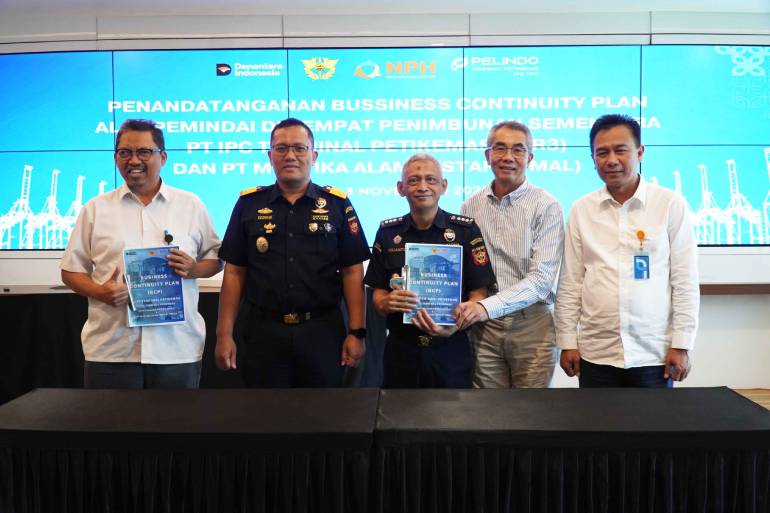
Signing of the Business Continuity Plan (BCP) Document
On Monday, November 3, 2025, the Business Continuity Plan (BCP) document for Export and Import Container Scanning Equipment was officially signed. This document serves as a formal guideline to maintain the continuity of container scanning operations. It outlines risk management strategies, emergency response procedures, and operational recovery mechanisms to ensure scanning activities can continue in the event of operational disruptions or other emergencies.
The signing took place at IPC TPK’s Head Office and was attended by Guna Mulyana, President Director of PT IPC Terminal Petikemas; Paul Krisnadi, President Director of PT Mustika Alam Lestari; and Yulianto, Head of Customs and Excise Services Division II at the Tanjung Priok Type A Main Customs Office. The event was witnessed by Sodikin, Head of the Tanjung Priok Type A Main Customs Office; Yandri, Executive General Manager of Regional 2 Tanjung Priok; and Andi Hamdani, a representative from PT Pelabuhan Indonesia (Persero).
With the establishment of this document, all work units and related parties are required to consistently comply with its provisions and conduct regular evaluations to ensure the effectiveness of the business continuity plan. As part of operational readiness, IPC TPK has conducted a commissioning test and will proceed with outreach and intensive coordination with stakeholders to ensure smooth cargo flow before the container scanner is officially operational.
“This collaboration aligns with Customs’ vision to ensure security while enhancing the smooth flow of national logistics. Synergy between Customs and Temporary Storage/Terminal Operators is key to creating a secure, effective, and superior logistics ecosystem. The implementation of this scanner not only introduces modern surveillance technology but also strengthens business confidence in a transparent and responsive customs process,” said Yulianto.
This technology will enhance customs oversight, help prevent violations such as smuggling of prohibited goods, and ensure compliance with regulations. Additionally, the presence of the scanner will contribute to improved terminal operational reliability by reducing potential bottlenecks in export and import activities. For service users, this implementation is expected to improve time efficiency, reduce the risk of delivery delays, and increase trust in terminal services that are safe, modern, and internationally standardized.
“With strong synergy between authorities and terminal operators, we are not just safeguarding the nation’s economic gateway—we are accelerating it,” concluded Pramestie.